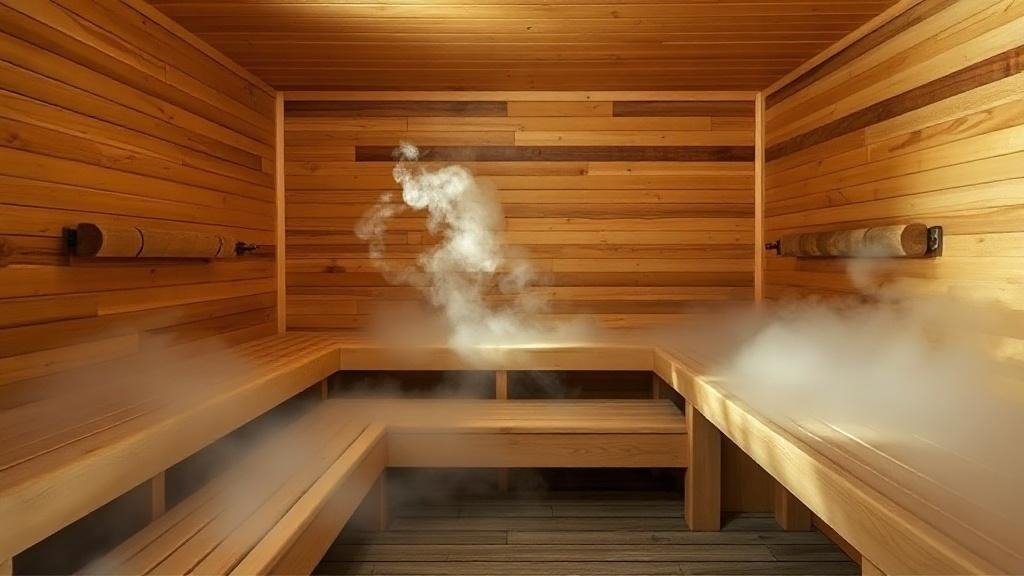
The core routine is simple: wipe skin-contact surfaces with a damp cloth after every session, do a fuller wipe-down weekly, never use household cleaners with ammonia or heavy fragrance on the wood, and leave the door cracked 20 to 30 minutes after each use so moisture doesn’t settle into the grain. Most wood damage inside a home sauna comes from the wrong cleaning products or trapped moisture, not from normal heat exposure itself.
How Often Should You Wipe Down an Infrared Cabin?
A quick wipe of the bench and any surface skin actually touched should happen after every single session, using nothing more than a damp cloth or a towel, which takes under a minute and prevents sweat residue from sitting on the wood between uses. Once a week with regular use, a fuller pass over the walls, floor, and door handle helps catch buildup that a single-session wipe misses. Cabins used daily by multiple people in a household benefit from tightening that weekly pass to twice a week, since more frequent use means more residue accumulating in the same timeframe.
Can You Use Household Cleaners on the Wood?
Standard household cleaners, particularly anything with ammonia, bleach, or strong fragrance, are a poor match for sauna wood. These products can strip the wood’s natural oils, leave a chemical film on the surface, and in some cases off-gas an unpleasant smell once the panels heat back up on the next session, since residue left on warm wood volatilizes differently than it would on a cool kitchen counter. Plain water works for routine wipe-downs, and a very diluted mild soap, well rinsed and dried, handles anything water alone doesn’t clear.
What About the Panels and Electronics Themselves?
Heating panels and the control board are the one part of the cabin that should never get a wet wipe-down. A dry or barely damp cloth removes surface dust from the panel face, but spraying cleaner directly onto a panel or soaking a cloth before wiping risks moisture reaching the wiring behind it, which is both a safety concern and typically a warranty exclusion. If a panel looks genuinely dirty beyond dust, that’s a case for checking the manufacturer’s specific cleaning guidance rather than reaching for a general household product.
How Do You Handle Sweat Buildup on the Floor?
The floor takes more direct contact than any other surface in the cabin, especially without a floor mat in place, and benefits from the same damp-cloth or mop approach used on the walls, just applied more frequently. A floor mat placed under the main standing and sitting area cuts down significantly on how much sweat actually reaches the wood floor itself, which both keeps cleaning simpler and reduces long-term wear on the floor finish. Letting the floor air dry fully with the door cracked open, rather than closing the cabin up immediately after mopping, avoids trapping that added moisture inside.
What Causes Dark Spots or Mildew, and How Do You Stop It?
Dark spots or a musty smell almost always trace back to moisture that never fully dried out between sessions, whether from sweat, a wet towel left inside, or a door kept shut right after use. Catching a spot early and gently sanding it out, rather than covering it with a sealant, is the standard fix, since sealing over sauna wood traps moisture underneath and tends to make the problem worse rather than better. Consistent airflow after every session is the single best prevention, cheaper and more effective than any cleaning product applied after the fact.
How Long Should You Air Out the Cabin After a Session?
Cracking the door for 20 to 30 minutes after a session gives residual moisture a real path out before it settles into the wood grain, and that window should stretch longer in humid climates or basement installations where the surrounding air is already damp. This single habit prevents more long-term wood damage than any cleaning product, since it addresses the root cause, trapped moisture, rather than treating the symptom after it shows up as a stain. Buyers researching wood type before purchase, including how SweatDecks.com lists cedar and other panel wood options across its cabin lineup, will find some species naturally more resistant to moisture staining than others, which is worth factoring in alongside a good cleaning routine.
A Simple Weekly and Monthly Checklist
After every session: a quick damp-cloth wipe of the bench and any surface skin touched, plus a cracked door for 20 to 30 minutes before fully closing up. Once a week: a fuller wipe of walls, floor, and door handle with plain water or a very diluted mild soap. Once a month: a closer look at corners and joints for any early darkening, and a check that vents haven’t been blocked by a towel or accessory left inside. None of this takes more than a few minutes at each interval, and sticking to it consistently does more for the wood’s long-term condition than any single deep-clean effort after a problem has already started.
Owners who share a cabin across a household or a small group of neighbors tend to see wear show up faster simply from more frequent use, so tightening the weekly pass to twice a week is a reasonable adjustment rather than a sign anything is being done wrong. The routine scales with use; it doesn’t need to change in kind, just in frequency.
Frequently Asked Questions
How often should you wipe down an infrared cabin?
Wipe the bench and any skin-contact surfaces with a damp cloth after every session, and do a fuller wipe-down of walls and floor once a week with regular use, more often for a cabin shared by several people.
Can you use regular household cleaners on sauna wood?
No. Ammonia-based and heavily scented household cleaners can strip natural oils from cedar, hemlock, or basswood and leave a chemical residue that off-gasses when the panels heat back up. Plain water or a very diluted mild soap is safer.
Do the heating panels and electronics need cleaning too?
A dry or barely damp cloth over the panel surface removes dust, but panels and the control board should never be sprayed directly or wiped with a soaked cloth, since moisture reaching the electronics can cause damage not covered by warranty.
What causes dark spots or mildew inside a sauna?
Trapped moisture that never fully dries between sessions is the usual cause, often from a door kept shut immediately after use or vents that stay blocked. Catching a dark spot early and sanding it out beats letting it spread.
How long should the door stay open after a session?
Leaving the door cracked for 20 to 30 minutes after use, and longer in humid climates, lets residual moisture escape before it settles into the wood grain, which is one of the simplest habits for preventing long-term wood damage.
References
- Effects of heat and cold on health, with special reference to Finnish sauna bathing, American Journal of Physiology, 2018
- Clinical Effects of Regular Dry Sauna Bathing: A Systematic Review, Evidence-Based Complementary and Alternative Medicine, 2018
- Cardiovascular and Other Health Benefits of Sauna Bathing: A Review of the Evidence, Mayo Clinic Proceedings, 2018