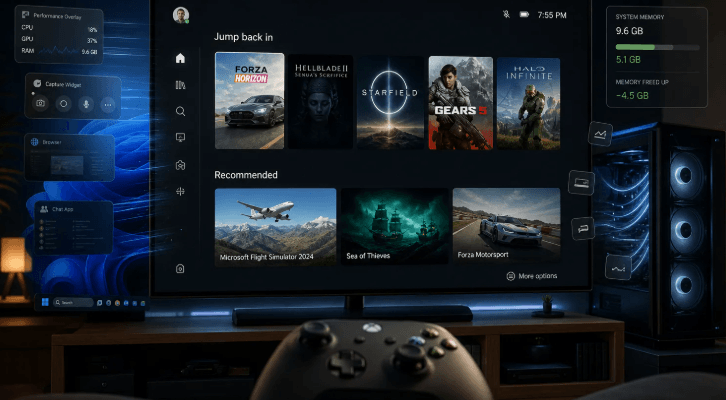
Esports made fast digital screens easier to read. A match can show player status, timers, map position, cooldowns, team score, round progress, damage alerts, and sponsor graphics at the same time. Still, a good overlay keeps the main action visible. Viewers know where to look first, what information supports the moment, and which signals matter during pressure.
Crash style instant games face a similar design challenge. A short session gives users only a few seconds to understand action, timing, prompts, results, and feedback. In a broader discussion about short session online formats, crash duelx online game fits as an example of how crash style screens depend on visible phases, fast prompts, and clean feedback. The lesson from esports is direct: screen order can make a quick format feel sharper, calmer, and easier to follow.
Esports Overlays Turn Speed Into Structure
A competitive esports match can be visually intense. Effects move quickly, teams rotate across the map, and the viewer may need to understand several actions at once. Overlays solve this by giving the screen structure.
A timer tells viewers how much time remains. Score panels show who leads. Player status bars reveal risk. Minimap signals explain position. Icons show available abilities or cooldowns. These details do not replace the match. They support it.
The strongest overlay systems keep the action central. They place extra information around the main view, use predictable positions, and avoid hiding the moment that viewers came to watch. This is why screen order matters. When information appears in the right layer, speed becomes readable instead of chaotic.
Crash Game Prompts Need the Same Discipline
Instant games often move faster than traditional mobile games. The user scans the screen, reads a prompt, watches the action, receives feedback, and prepares for the next phase. That entire loop can happen in a compact time window.
Prompts should support that rhythm. A prompt that appears too early can distract from setup. A prompt that appears too late can weaken confidence. A prompt that covers the main action can make the screen feel poorly organized.
Good crash game design separates screen phases clearly. Setup, active moment, feedback, result, and next step should not blur together. The user should understand what has just happened before the next signal arrives.
This does not require heavy explanation. It requires placement, timing, and consistency.
Sports Broadcasts Prove That Order Builds Trust
Sports broadcasts have used screen order for decades. A football scoreboard sits where viewers expect it. A basketball shot clock stays visible because time changes every decision. Tennis score graphics show point pressure. Formula 1 timing feeds turn speed into gaps, sectors, tire data, and position changes.
Famous sports moments become easier to follow because the broadcast gives context. A Messi penalty needs the score and match moment. A Serena Williams tie-break depends on point count and serve order. A Verstappen overtake becomes clearer when timing gaps and track position are visible. A LeBron James late possession carries more pressure when the shot clock, score, and spacing are readable.
Crash game screens can use the same thinking. Fast action becomes easier to trust when the screen shows the current state, explains timing, and separates outcome from the next action. Order gives users confidence because the interface feels current and understandable.
Mobile Displays Punish Visual Clutter
Small screens leave little room for decorative noise. A desktop overlay can carry more panels and labels. A mobile instant game needs stronger choices. Every signal competes with the main action, so every signal should earn its place.
A clean mobile screen usually needs:
- One clear focal area for the main action.
- Short prompts that explain the current phase.
- Stable button positions during active moments.
- Consistent colors for repeated states.
- Result feedback that appears before the next prompt.
- Motion that guides attention instead of filling space.
These details reduce hesitation. Users should not have to search for the next step or wonder whether the screen has changed. The interface should make the current phase obvious within seconds.
Feedback Must Arrive in the Right Layer
Feedback is the bridge between action and trust. In esports, a viewer sees damage, score changes, eliminations, objective progress, and round updates almost immediately. The overlay confirms that the match state has changed.
Crash style screens need the same feedback logic. After a user action, the screen should show that the input was received. After the active phase, the result should appear clearly. After the result, the next prompt should arrive without covering what just happened.
This order matters because feedback can easily become noise. Too many flashing elements can make the result harder to read. A subtle change can be too easy to miss. The best feedback is clear, brief, and placed where the eye already expects it.
A fast screen does not need to shout. It needs to answer quickly.
The Ordered Screen Standard
The future of instant game UX will depend less on visual effects and more on screen order. Esports overlays show that even complex action can stay readable when information has a clear hierarchy. Sports broadcasts show that pressure becomes easier to follow when time, score, status, and outcome stay visible.
Crash game design can follow the same standard. The main action should come first. Prompts should support timing. Feedback should confirm change. Results should stand apart from the next action. When these layers work together, short sessions feel smoother and easier to understand.
Screen order is a form of guidance. It helps users read fast action without slowing it down. For instant games, that guidance can make the difference between a screen that feels crowded and a screen that feels precise.